

Emergency Flood Tips
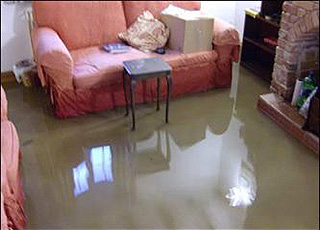 We all have times when our washing machines pipe burst, we accidentally let the bath overflow, or excess rain causes a leak in the roof. In these situations most people get very stressed and try to clean up the flooded area as best they can. In some cases where the flooded area is quite small, cleaning up the flooded area with a mob or towel can be effective. However, there is often a great deal more damage than you realise.
If carpets get wet, the water does not simply sit on top of the carpet, but also penetrates into the carpet backing, underlay and the sub-floor. It is impossible to assess whether this has occurred by touching the carpet – specialised instruments need to be used to assess the damage. The risks surrounding prolonged moisture in and under the carpet are the potential of mould growing. Once this has occurred, the restoration process and risks rise significantly. If carpets get wet, the water does not simply sit on top of the carpet, but also penetrates into the carpet backing, underlay and the sub-floor. It is impossible to assess whether this has occurred by touching the carpet – specialised instruments need to be used to assess the damage. The risks surrounding prolonged moisture in and under the carpet are the potential of mould growing. Once this has occurred, the restoration process and risks rise significantly.
If walls, skirting boards and other materials are effected by a flood it is important to have a professional assess the damage. Unfortunately mould can grow on any material if provided with the right conditions – moisture is a key factor.
If you have a flood, the following steps can be quite useful:
- Use towels to collect excess water.
- Try to stop water from spreading to other areas by putting down towels.
- If your flood affects power points or any electrical items, turn off the electricity supply to the property.
- Contact your insurance company to find out if your claim will be covered and how they would like you to proceed.